
Key takeaways:
- AI chatbots handle a wide range of jobs. They resolve tickets, track orders, quote insurance, recommend products, book trips, and run account actions, in dozens of languages, around the clock.
- There are two main types. Rule-based bots follow scripts and trigger words; conversational AI reads intent from messy phrasing, remembers context, and replies in full sentences.
- Lyro is the AI agent for small and mid-market teams. Lyro by Tidio answers from your own help content, replies in the customer’s language, and escalates to a live agent when it hits its limit, no scripting required.
- People still matter. The bot clears the routine questions and routes anything complex, sensitive, or high-stakes to a real agent.
Chatbots are everywhere now: on websites, in apps, sliding into your DMs. The problem isn’t access. It’s that most businesses launch one with a vague goal and get vague results back.
The fix is to copy what already works. The companies below use chatbots to resolve support tickets, plan trips, quote insurance, and teach languages, and they post real numbers doing it: 70% of cases handled, response times cut by minutes, claims paid in seconds.
This guide breaks down the newest examples across industries, shows the pattern that separates the winners from the gimmicks, and points you to the tools that build the same thing.
Use live chat to support your customers in real-time
Websites that use chatbots
Plenty of well-known brands run chatbots today, and so do fast-growing smaller ones. Klarna, Bank of America, Alaska Airlines, Duolingo, Burker, and others use one to answer questions, take orders, plan trips, or guide customers. Here’s what each one actually does.
| Brand | Industry | What their chatbot does | Where it runs |
|---|---|---|---|
| Tidio | Customer service software | Runs its own Lyro AI agent to answer product, billing, and setup questions, and hands conversations to a live agent when they need one. | Website |
| Klarna | Fintech/payments | Its OpenAI-powered assistant handles order, payment, and refund questions in 35+ languages. At launch in 2024 it resolved about two-thirds of support chats with no human agent. | App + web |
| WeightWatchers | Health / wellness | A Sierra-built agent handles membership, billing, and app questions and helps members make on-program food choices. | Web + app |
| Bank of America | Banking | “Erica” checks balances, moves money, sends bill reminders, and surfaces spending insights, by voice or text. | Mobile app |
| Burker | E-commerce / fashion | Tidio’s Lyro AI agent answers order and pre-sale questions in the customer’s language. | Website |
| Alaska Airlines | Travel | “Alaska Inspires” plans and books trips from a plain-language or voice request, across 90+ languages. | Web + app |
| MattressNextDay | E-commerce / retail | Lyro by Tidio automates about 73% of support across web chat, email, Instagram, and Facebook. | Web, email, social |
| Lemonade | Insurance | “Maya” quotes and signs up customers in about 90 seconds; “AI Jim” reviews and pays simple claims in seconds. | Web + app |
| Duolingo | Education | “Lily,” a GPT-4 video-call partner, runs spoken practice; a separate agent handles roughly 80% of support. | App |
| Bella Santé | Spa / wellness | Lyro by Tidio automates about 75% of live-chat questions and recommends treatments. | Website |
| Meta | Social / messaging | Meta AI, its Llama-powered assistant, answers questions and helps businesses reply 24/7 inside WhatsApp, Messenger, and Instagram. | WhatsApp, Messenger, IG |
You’ll notice the pattern. The strongest examples don’t bolt a generic bot onto a contact page. They connect it to the thing customers came for, whether that’s an order, an account, a quote, or a trip, and hand off to a human the moment the conversation needs one.
You don’t need a huge budget to do the same. The examples below show how brands put chatbots to work.
11 best AI chatbot examples across industries
The strongest chatbots in 2026 do real work and post real numbers: they resolve 70–90% of support chats, cut response times to seconds, and plan trips by voice. The 11 examples below run the full range, and each shows which company runs the bot, what it does, the platform behind it, and the one lesson worth copying.
1. Tidio: live chat and Lyro AI agent in one
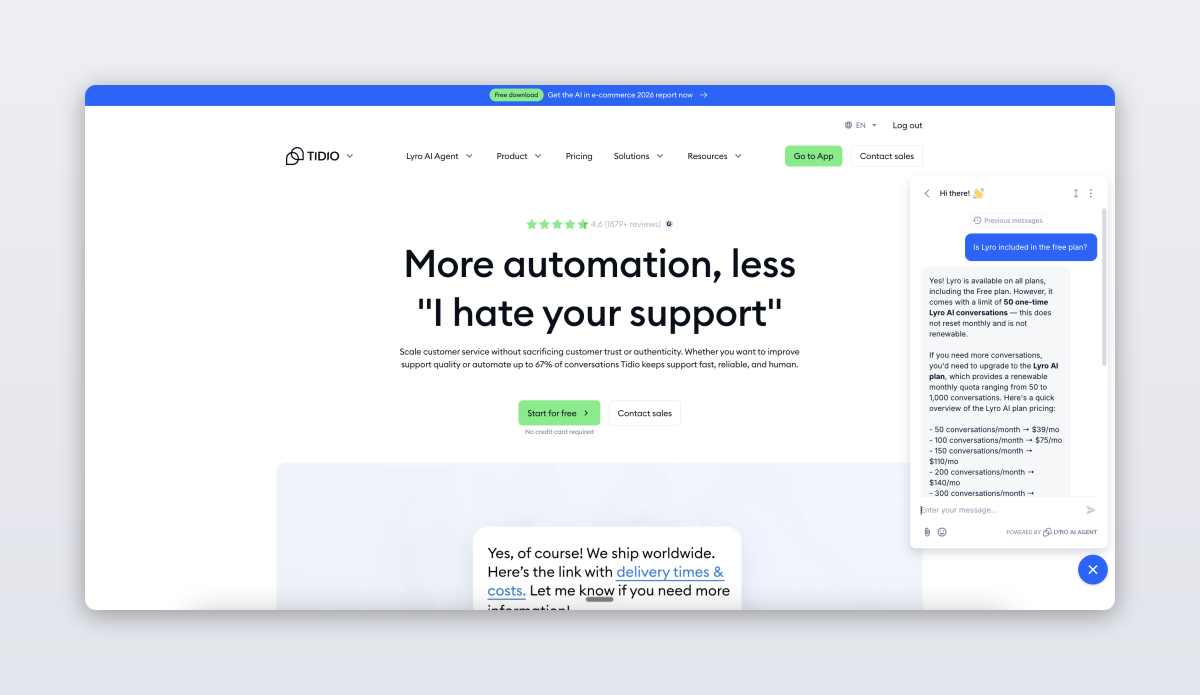
Tidio pairs live chat with Lyro, its AI agent, so one tool covers automated answers and human support. Point Lyro at your help center, FAQ, or product catalog and it resolves routine questions—order status, shipping, returns—in the customer’s language, then hands off to a live agent the moment a conversation needs one. It resolves roughly 70% of common questions on its own.
It’s the same setup several brands in this list already run: Burker, MattressNextDay, and Bella Santé all handle the bulk of their support with Lyro. For small and mid-market teams, it’s the most direct way to copy what works here.
2. Klarna: customer service chatbot
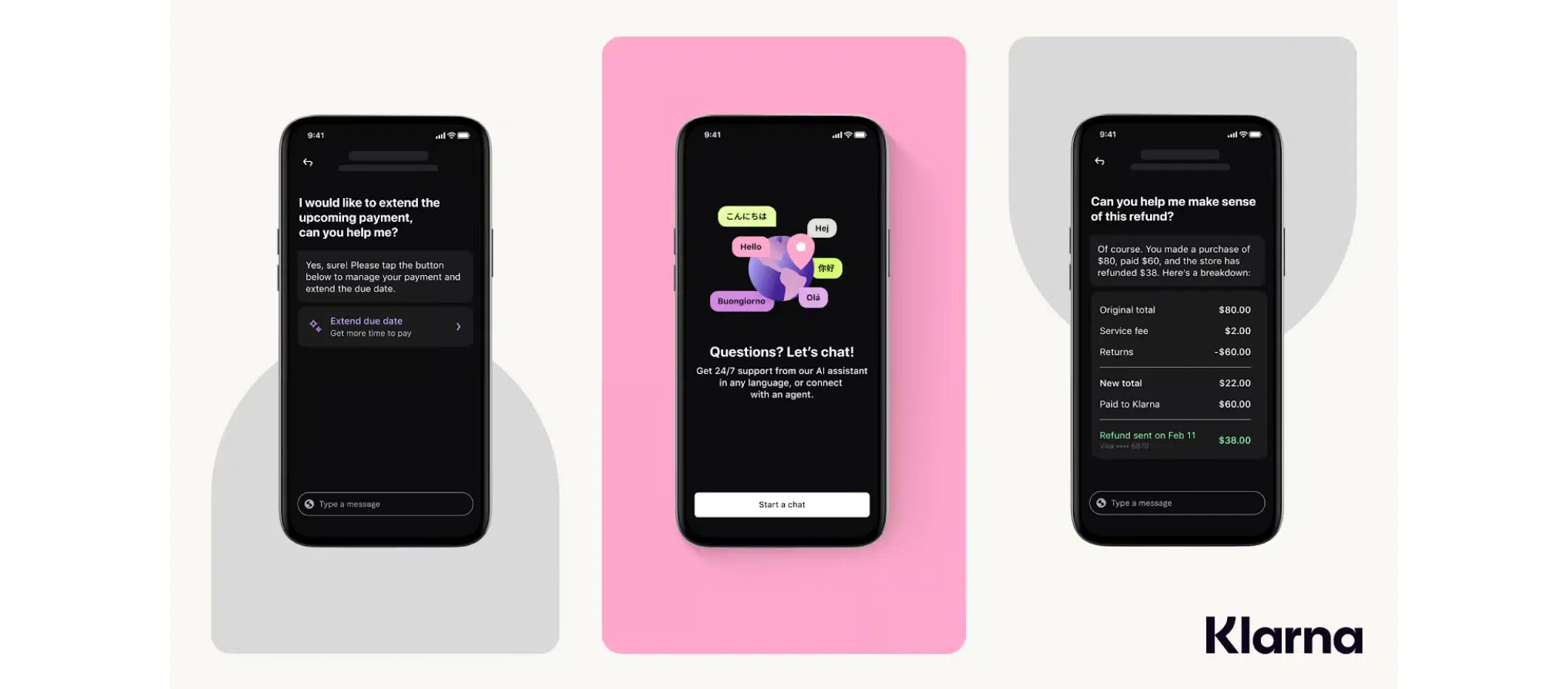
Klarna’s OpenAI-powered assistant reads a customer’s full message, looks up the order or payment, and answers in their language—no menus. In its first month in 2024, it handled 2.3 million chats, about two-thirds of Klarna’s support volume[1].
The sequel matters just as much. By 2025, Klarna had pulled human agents back in for complex disputes, settling on the hybrid model most teams end up with. Speed for the routine, humans for the hard stuff. That’s the takeaway, not the headline automation rate.
3. WeightWatchers: empathetic support chatbot
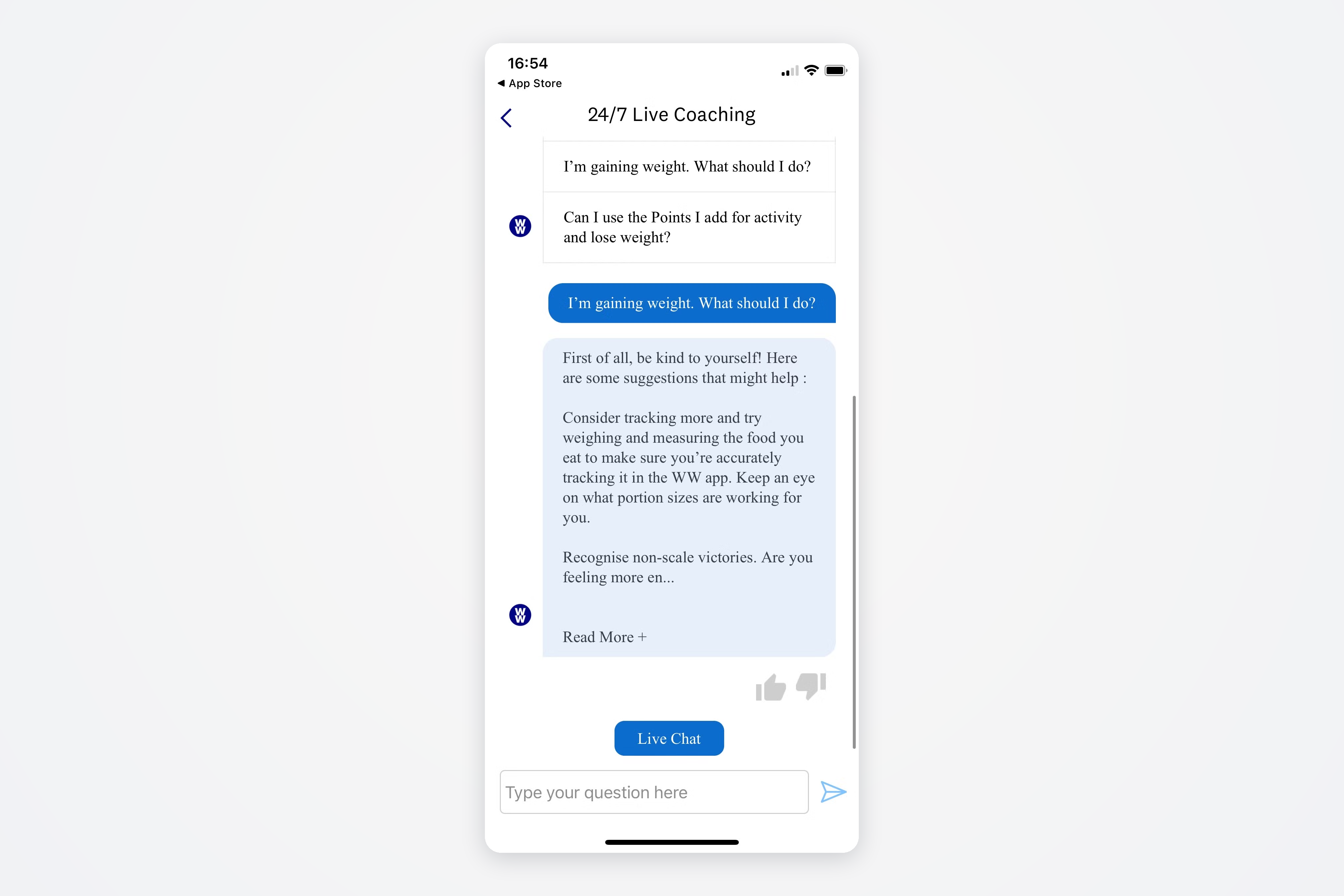
WeightWatchers built a support agent on Sierra. It lives in the WW app and answers the everyday questions members used to wait on hold for (managing a membership, billing and login problems, app troubleshooting, and help making on-program food choices), and it can make account changes itself, handing off to a person the moment a member asks. Within the first week, it contained close to 70% of all cases while holding a customer satisfaction score above 4.5 out of 5[2].
Human coaches are still a tap away in the app’s 24/7 Live Coaching; the bot just clears everything that doesn’t need one.
4. Burker: multilingual ecommerce chatbot
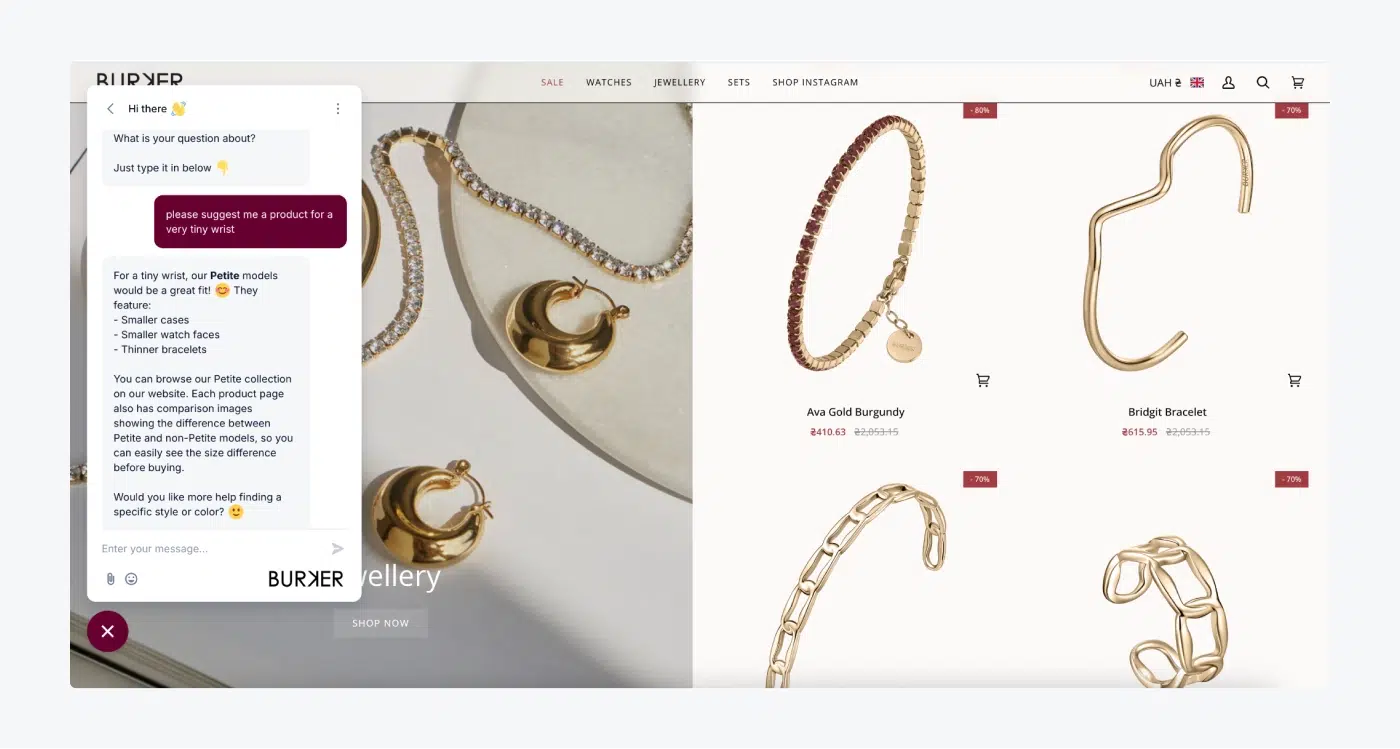
Burker, a fast-growing direct-to-consumer watch and jewelry brand, runs Tidio’s Lyro AI agent on its Shopify store and was expanding into 15 new markets, with customers expecting instant answers in their own language. It picked Lyro for broad multilingual support.
In its first full month, Lyro resolved 75% of conversations, climbing to nearly 80% the next month while handling 10,000 chats. Outsourced email traffic dropped about 50%. Lyro now answers “where’s my order” and pre-sale questions (sizing, shipping, which model is which) automatically, in the customer’s language, at any hour.
5. MattressNextDay: support automation chatbot
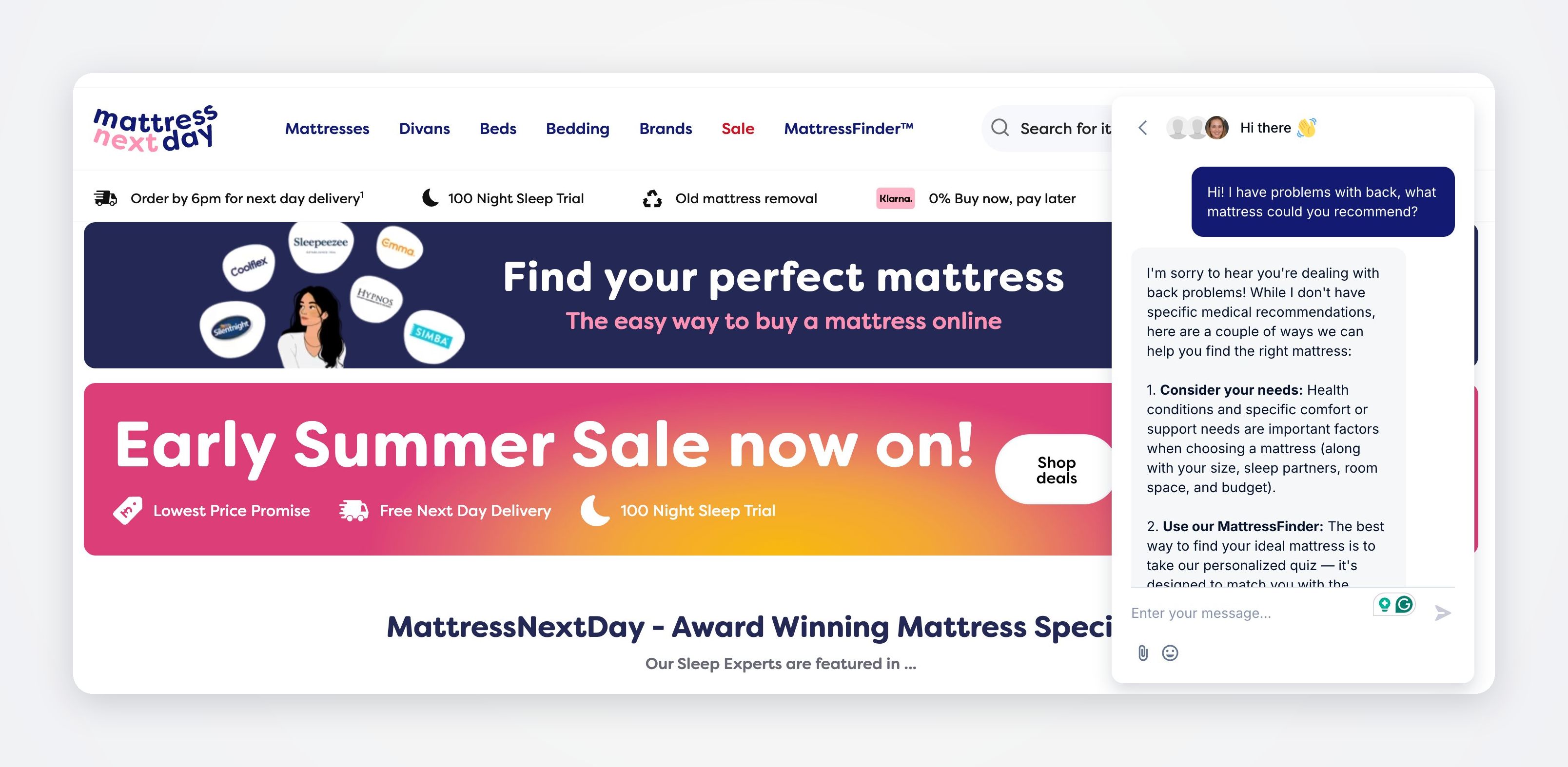
MattressNextDay, an award-winning UK mattress retailer, uses Lyro AI agent to automate routine support across its website widget, email, Instagram, and Facebook. Trained on 1,000+ knowledge sources, Lyro now handles about 73% of conversations and saves the team 400+ hours a month.
The point isn’t replacing agents; it’s clearing the repetitive customer service tickets so the team can spend its time on the cases that actually need a person, with only a small fraction of conversations ever transferred to a human.
6. Alaska Airlines: travel planning chatbot
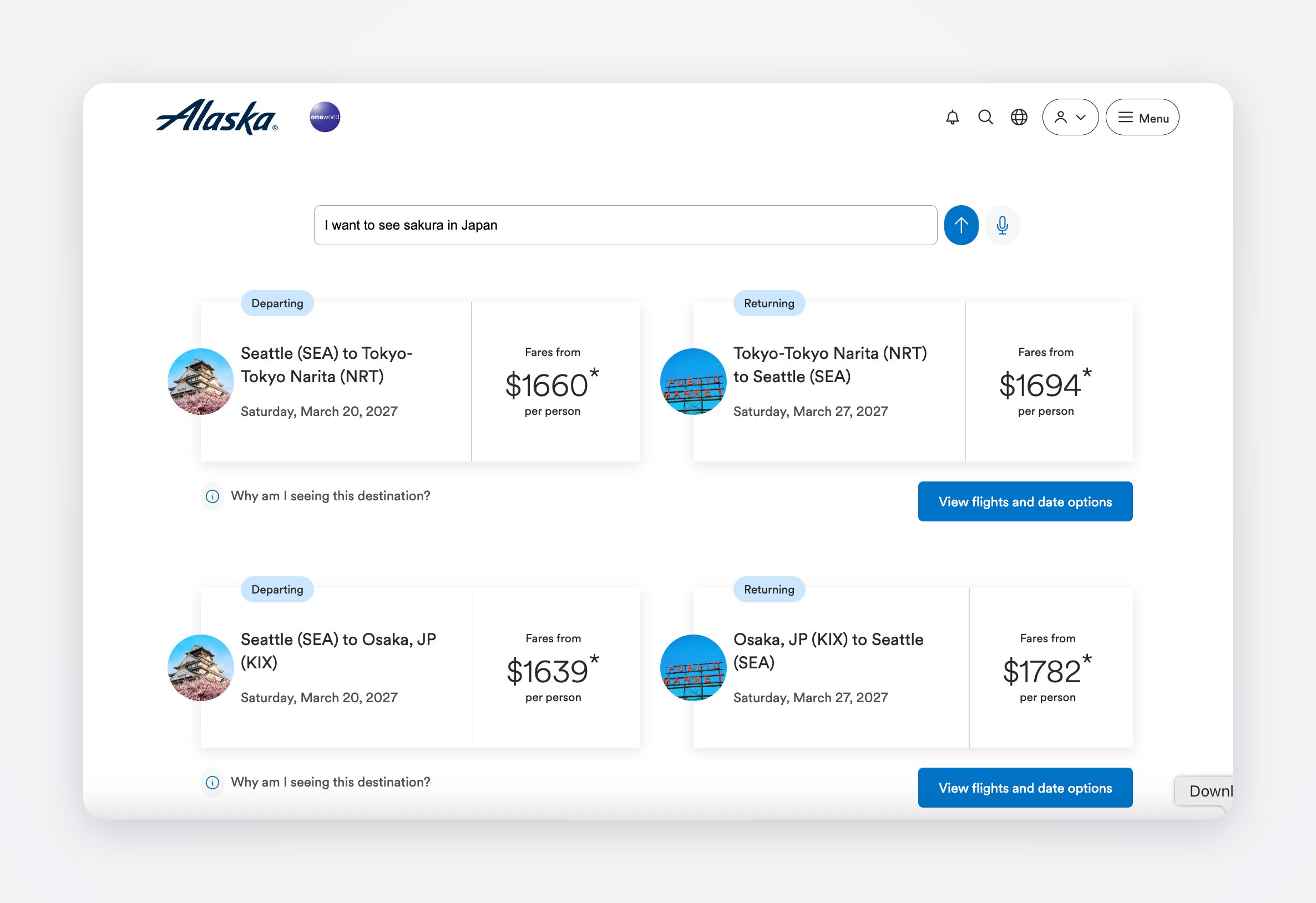
Alaska Airlines’ “Alaska Inspires” turns search into conversation. Instead of typing exact dates and airport codes, you describe the trip you want, and it suggests, compares, and books, with voice input and support for 90+ languages. Alaska says it cuts destination-planning time by about 75%.
It’s a fresher model than the old airline FAQ bot. Less “answer my question,” more “help me decide.” For a travel chatbot, that shift from lookup to recommendation is where the value is moving.
Boost customer satisfaction with a professional AI agent
7. Lemonade: insurance chatbot
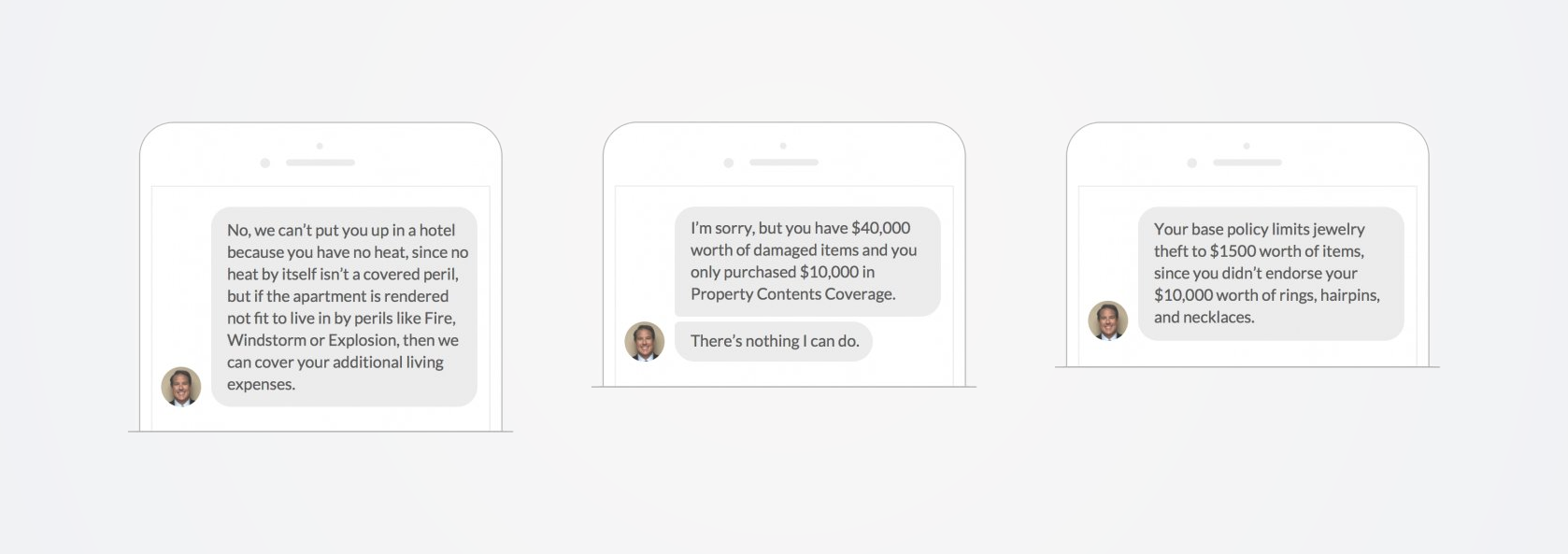
Lemonade runs two bots. Maya handles onboarding: it asks plain-language questions, recommends coverage, and issues a quote in around 90 seconds. AI Jim handles claims, reviewing the simple ones and paying out in seconds. Its fastest on record is a handful of seconds, start to finish.
Most insurers make you wait on hold for either one. Lemonade turned both into a chat. For any insurance chatbot, that’s the bar: remove the wait, not just the phone tree.
8. Bella Santé: spa and wellness chatbot
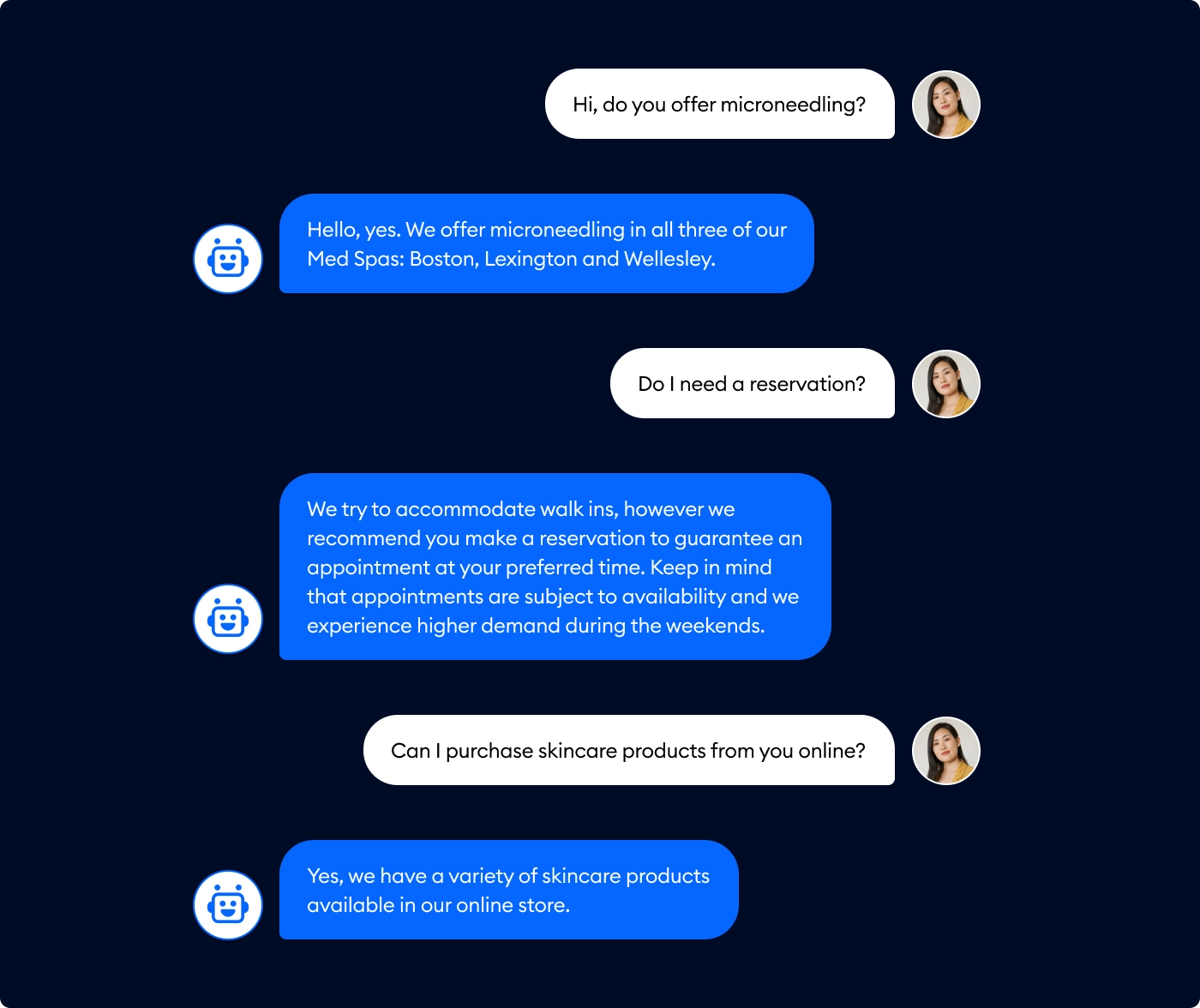
Bella Santé, one of Boston’s best-known day and med spas, layered Tidio’s Lyro on top of its call center instead of replacing it. Lyro now handles about 75% of live-chat questions on its own (hours, treatments, pricing) and passes anything that needs a personal touch to staff, easing the phone queues during peak demand.
It does more than answer. Lyro’s shopping assistant recommends treatments and packages based on the page a guest is viewing, which turned chat into revenue: $66,000+ in Lyro-assisted sales and 450+ new leads in six months, captured through a simple pre-chat survey. Proof a good customer service chatbot works for local service businesses, not just online stores.
9. Bank of America: banking chatbot
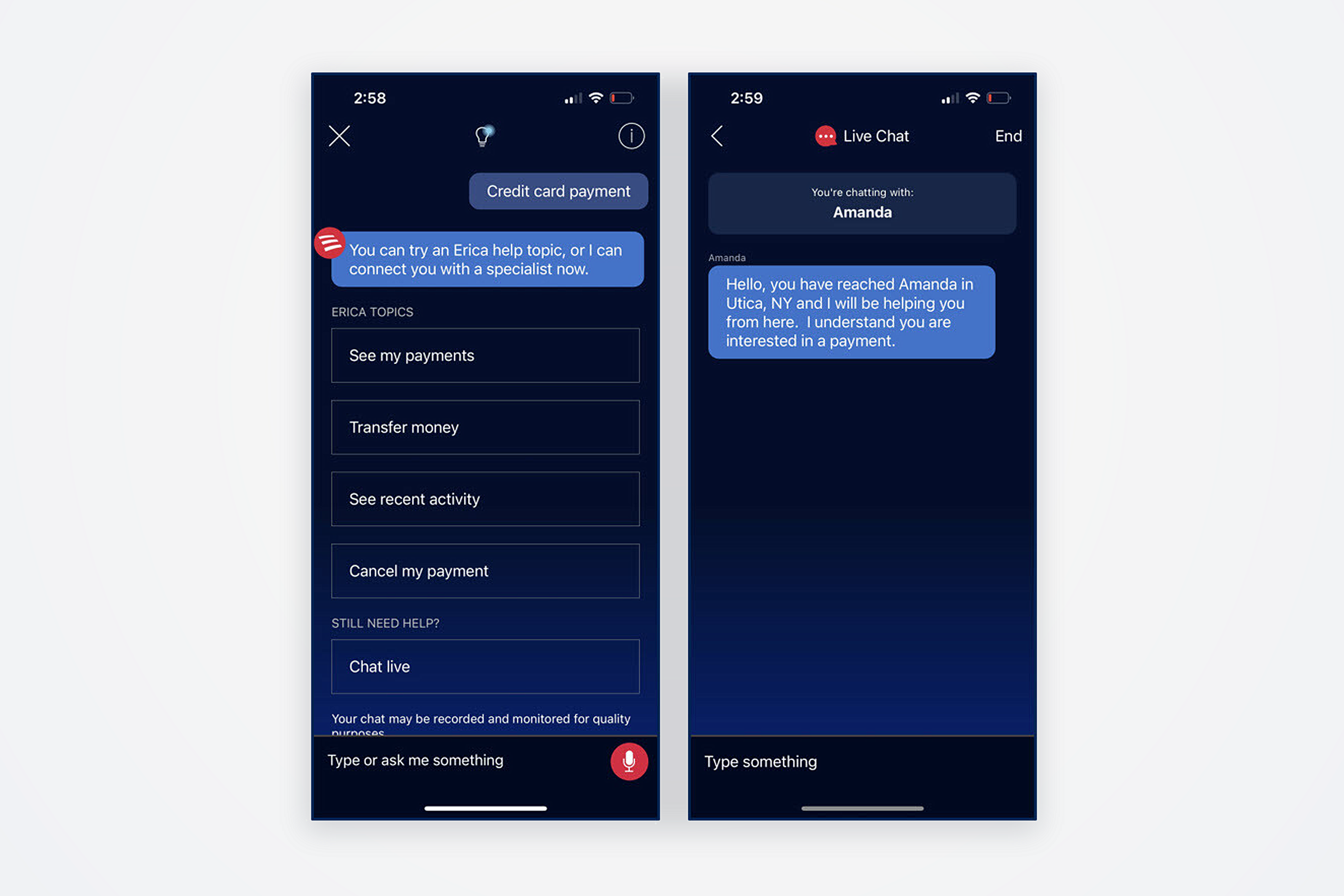
Bank of America’s Erica lives in the mobile app and has handled billions of interactions. It checks balances, moves money, flags duplicate charges, sends bill reminders, and surfaces spending insights, by voice or text. When it’s out of its depth, it connects you to a specialist.
Erica’s lesson for any banking chatbot: win on the routine, escalate the rest, and don’t pretend to be a financial advisor. The trust comes from knowing where the bot’s job ends.
10. Meta AI: messaging chatbot
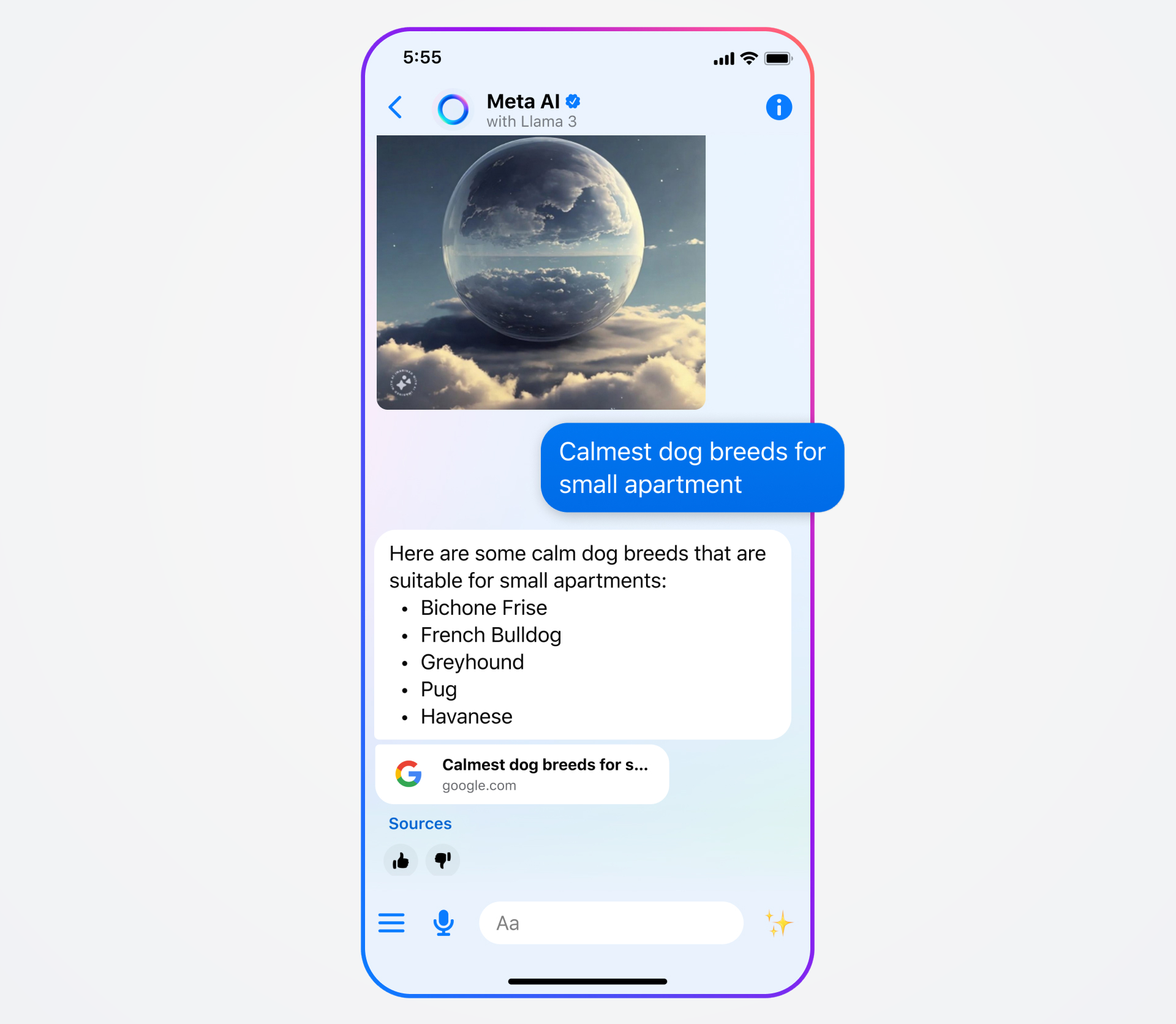
Meta AI is the assistant built into WhatsApp, Messenger, Instagram, and Facebook, powered by Meta’s Llama models and used by more than a billion people[3]. You can ask it questions, generate images, or summarize a thread without leaving the chat.
Meta has also turned it into a Business Agent that answers customers around the clock for businesses on WhatsApp and Messenger. It’s conversational AI sitting exactly where people already spend their messaging time. That’s most of the reason it reaches the scale it does.
11. Duolingo: education chatbot
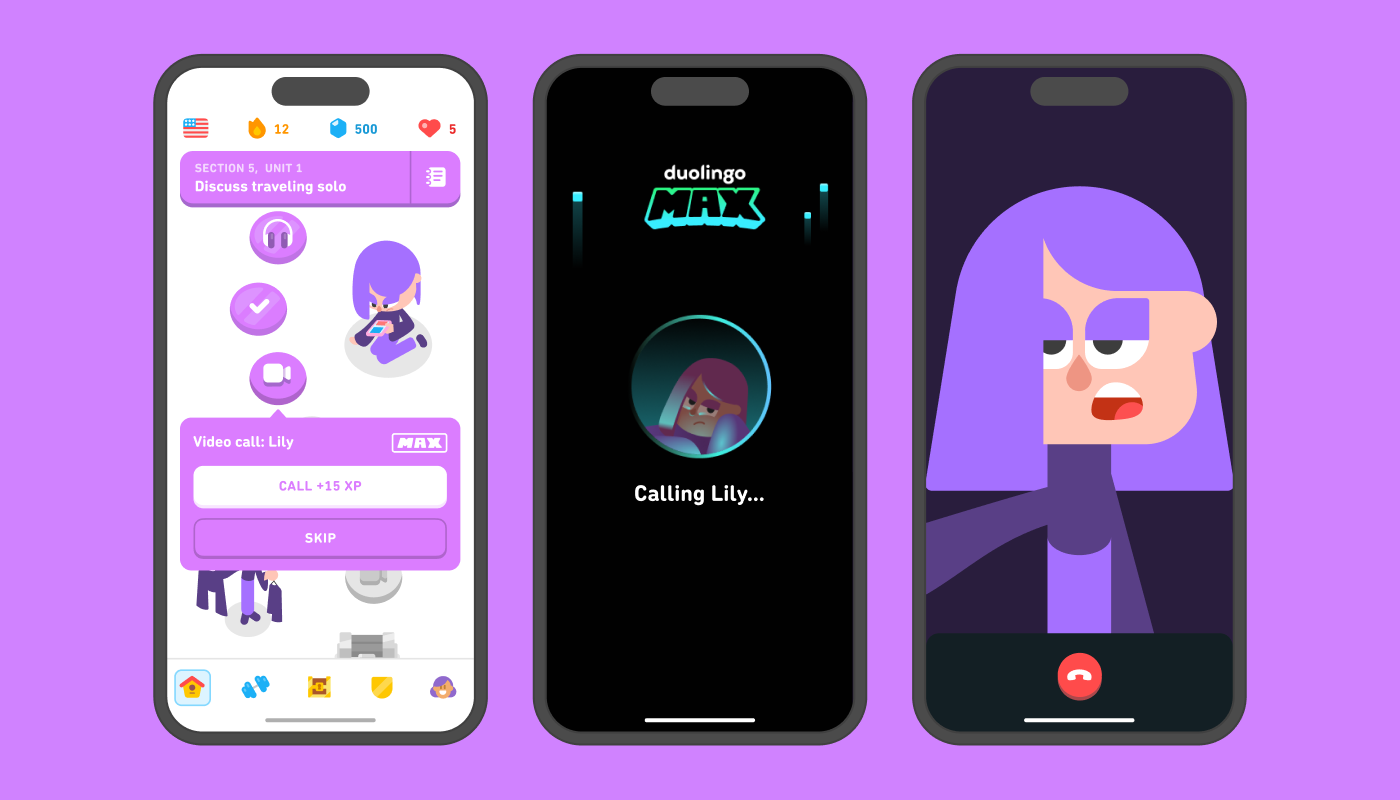
Duolingo runs AI on both sides of the business. For learners, “Lily” is a GPT-4-powered video-call partner on the Max tier—you speak, she responds and adapts in real time, like a tutor who never gets bored or impatient. For support, Duolingo’s agent (built on Decagon) deflects around 80% of incoming questions.
One brand, two completely different jobs for conversational AI: teaching on the front end, handling tickets on the back. Most companies only think about the second.
Conversational AI examples
Conversational AI is the technology that lets a chatbot understand natural language and reply like a person would, reading what someone means, remembering the last few messages, and answering in full sentences instead of firing a scripted line. A rule-based bot waits for an exact trigger word. Conversational AI works out intent even when the phrasing is messy.
The quickest way to see the difference is how each one handles a question it was never scripted for:
- Rule-based bot: “returns” triggers the canned returns policy. Ask “can I send this back?” and it may miss entirely.
- Conversational AI: “can I send this back?”, “what’s your return window?”, and “this didn’t fit” all resolve to the same answer, pulled from your help docs.
Here are four conversational AI examples in the wild, drawn from the brands above.
1. Klarna’s support assistant. Built on OpenAI’s models, it reads a customer’s full message, pulls the relevant order or account detail, and answers in their language with no decision tree. It handled 2.3 million chats in its first month in 2024, then shifted to a hybrid model in 2025, routing complex disputes back to people.
2. WeightWatchers’ care agent. A Sierra-built assistant that handles membership and meal-tracking questions in natural language, and does it warmly enough that members reply with thank-yous and emojis, while still containing close to 70% of cases on its own.
3. Lyro by Tidio. Tidio’s AI agent answers customer questions from your own help content and product catalog, holds context across a conversation, and hands off to a live agent when it reaches its limit. It’s the same pattern as the enterprise bots above, sized for small and mid-market stores.
4. Duolingo’s Lily. A conversational AI you talk to rather than type at: a GPT-4-powered video-call partner that responds to what you say and adapts the conversation in real time.
None of them asks you to learn a menu. You type or speak the way you naturally would, and the AI does the work of understanding. That’s the bar conversational AI clears that older rule-based bots never could.
Create your own successful chatbot
The right chatbot earns its place by doing one job well and handing off when it can’t.
Whether you run an ecommerce store or a service business, Tidio puts the pieces in one place: live chat, the Lyro AI agent, and no-code flows. Start small with FAQs and order tracking, then expand as the bot proves itself.
Frequently asked questions
Many major websites use chatbots, including Klarna, Bank of America, Alaska Airlines, Duolingo, Domino’s, and Meta. They use them to answer support questions, take orders, plan trips, quote insurance, and guide customers across their sites, apps, and messaging channels.
Lyro by Tidio is one example: it reads a customer’s question in plain language, pulls the answer from the business’s own help content and product catalog, keeps context across the conversation, and hands off to a human when it reaches its limit, with no scripted decision tree. Other well-known examples include Klarna’s OpenAI-powered support assistant, Bank of America’s Erica, WeightWatchers’ care agent, and Duolingo’s video-call partner Lily.
A rule-based chatbot waits for exact trigger words and follows a scripted decision tree. Conversational AI understands natural language, works out what a person means even when the phrasing is messy, remembers earlier messages, and answers in full sentences.
Small and mid-market businesses often choose tools that combine live chat with an AI agent, like Lyro, because they answer common questions automatically and hand off to a person when needed, without enterprise-level cost or setup.